History Group meetings listing draft:
2004
30.11.2004
(about 20 people at the Sainsbury Centre)
"What are we going to do about the history of the mental health service
user movement?"
2005
January 2005
email
21.4.2005 Lincoln House: Peter Campbell - Frank Bangay -
Peter Lindley - Peter Munn - Peter Barham - Glenda Philpott Kimber
- Peter Beresford - Andrew Daw -
Thurstine Basset
- Clare Ockwell
20.6.2005 Lincoln House
18.7.2005 10am-12.30: sub-group at the Sainsbury Centre
attended
by Dominic Walker, Peter Beresford and
Thurstine Basset.
Peter Campbell and
Premila Trivedi
unable to attend. Discussed funding, draft manifesto and a
possible location for archives.
3.8.2005 (planned for the Sainsbury Centre)
[Thursday
15.9.2005: ORT Conference]
[Following meetings at Together's office at Lincoln House]
23.1.2006: Anne Beales (Chair) - Peter Campbell -
Thurstine Basset
-
Frank Bangay - Peter Beresford - Glenda Philpott - Clare Ockwell -
Principles and Manifesto agreed.
2006
13.3.2006 12:30-16:00 [Notes on meeting not distributed - may
not have been preserved]
[27.3.2006: By attachments to email, Laura Schofield distributed
extensive feedback from the
8.3.2006 Conference in Birmingham]
15.5.2006 12:30-16:00: Anne Beales -
Thurstine Basset
-
Frank Bangay - Andrew Roberts - Joan Hughes - Apologies from Clare Ockwell
[10.7.2006: Email from Peter Campbell who was preparing an article
about the group for OpenMind]
Monday 7.8.2006: Anne Beales, Clare Ockwell, Andrew Roberts,
Joan Hughes, Frank Bangay,
Thurstine Basset. Meeting included
preparation
for
6.7.2006 Mind conference
Together's new national office established at 12 Old Street, London, EC1V
9BE Telephone 020 7780 7300 -
External link to contact information.
Monday 30.10.2006:
Thurstine Basset
(Chair), Andrew Roberts,
Clare
Ockwell, Peter Campbell, Joan Hughes, Sara Stanton (minutes)
2007
Monday 13.1.2007: Thurstine Basset, Anne Beales (Chair), Andrew
Roberts, Clare Ockwell, Peter Campbell, Joan Hughes, Sara Stanton
(minutes), Pete Bloomer and members of Speak Out! Mental Health History
Project, Ian Fellows (Management Consultant), Frank Bangay
15.3.2007 The Together Littlehampton office closed. Laura Schofield
finished co-ordinating the group's meetings for Anne Beales. Sara Stanton
took over for some time. Then Mandy Chainey. [Both at Together]. Task
assumed by Andrew Roberts [Not at Together] in 2008.
20.3.2007: Peter Campbell and Joan Hughes. Apologies in advance
from
Andrew Roberts (and others)
[31.3.2007: Draft constitution circulated to the group by email from
Andrew Roberts. Under the constitution, Anne Beales was later elected
treasurer.]
[27.4.2007: Grant from Hamlet Trust confirmed to the group by email
from Peter Campbell]
10.5.2007: Peter Campbell, Anne Beales, Frank Bangay, Joan
Hughes,
Peter Munn, Andrew Roberts. [Apologies from Sara Stanton]
18.6.2007: Anne Beales (first part), Clare Ockwell, Peter
Campbell,
Frank Bangay, Joan Hughes (minutes), Andrew Roberts (chairing)
Apologies: Peter Munn, Sara Stanton,
David Kessel - Website adopted.
Thursday 19.7.2007: Peter Campbell,
Chandra Fowler, Joan
Hughes, Andrew Roberts, Clare Ockwell. Apologies: Anne Beales, Peter
Beresford,
David Kessel.
Wednesday 31.10.2007
2008
Wednesday 6.2.2008 History Group Short List
Thursday 21.2.2008 History Group Interviews
Monday 25.2.2008 History Group Interviews
Thursday 20.3.2008 Mandy Chainey, Peter Campbell, Philip
Ruthen,
Frank Bangay, Andrew Roberts. Apologies from Clare Ockwell and Anne Beales.
Tuesday 1.4.2008
Essex Conference
Wednesday 14.5.2008 To receive a report from our researcher.
Anne Beales (chairing), Peter Campbell,
Philip Ruthen, Frank Bangay, Andrew Roberts (minutes), Clare Ockwell,
Thurstine Basset,
Peter Barnham, David Armes,
Ian Ray-Todd
-
Apologies and greetings from:
Colin Gell, Richard
Shrubb, Anne Cooke, Kati
Turner, Neil Campbell, Peter Beresford, Peter Munn, Mandy Chainey, Joan
Hughes,
David Kessel. The group approved payment of £75 for three
historic (1974 - 1975- 1976) videos to be converted to digital form for
preservation and study. Andrew Roberts elecetd secretary.
Thursday 29.5.2008
Special meetings with historians and a
journalist on what survivor history is for. Andrew Roberts,
Helen Spandler,
Peter Campbell,
Ian Ray-Todd, Phil
Ruthen, Mark Cresswell, Catherine
Jackson, Frank Bangay, Sophie, Clare Ockwell, Joan Hughes, Roger and
Felicity Lansdowne.
Thursday 19.6.2008: Researcher/Treasurer/Secretary sub-committee
on funding and related issues
Tuesday 1.7.2008 Catherine Jackson, Peter Campbell, Frank
Bangay, Andrew Roberts. Probably at
Bunhill Quaker Meeting House
8.7.2008: Funding report due from Phil Ruthen
8.7.2008 Phil Ruthen, Frank Bangay and Mick Hobbs to make
podcast
Tuesday 22.7.2008 11.30-1.30 in the Board Room at
Together:
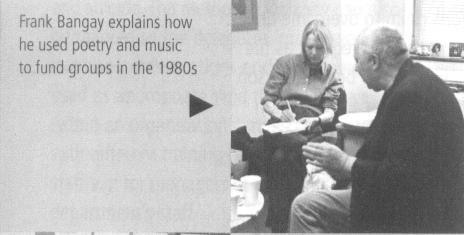
Provisional agenda: 1) Proposed benefit event (Frank Bangay) - 2) Poetry
evening - 3) Listing the group's achievements as the basis for
development and fund-raising - Reviewing opportunities - Discussing where
we are going and what our priorities should be - Discussing what we need to
do to achieve this. 4) Discussion of Phil Ruthen's fundraising report. 5)
Discussion of developments following our conference with historians.
Tuesday 26.8.2008 11am-1.30 at
Bunhill Quaker Meeting House
10.9.2008 to 12.9.2008
Asylum Conference - meeting and exhibition
Monday 22.9.2008 11am-1.30 in the Board Room at
Together
Premila
Trivedi, Ian Ray-Todd, Phil Ruthen and Andrew Roberts (minutes).
Anne Plumb in email contact. Phil reported on Open Mind article. Premila
talked about the history of
SIMBA
23.10.2008
Bunhill Quaker Meeting House Ian Ray-Todd, Kati Turner, Hayley
Bacon, Angela McManus, Jayasree Kalathil, Andrew Roberts
7.11.2008 in the Board Room at
Together
10.12.2008 at
Together Clare Ockwell chairing - Peter Campbell present -
Andrew Roberts taking minutes - Also present: Phil Ruthen, Frank Bangay,
Angela Sweeney, Ryan Davies, Premila Trivedi, Paul Moloney, Robin Hanau,
David Pilgrim
minutes
2009
Monday 12.1.2009 in the Training Room at
Together
Monday 2.2.2009: Meetings cancelled by snow
Monday 2.3.2009 at
Together. Present (approximate order of arrival) Andrew Roberts
- Patsy Staddon (from Bristol) - Joanna Moncrieff - Peter Barham - Clare
Ockwell - Robin Hanau - Malaika Mahadev and Lizzie Maitland (both from
Rutland). Apologies were received from Peter Campbell, Kati Turner, Anne
Beales, Phil Ruthen, and others.
Monday 6.4.2009 at
Together. David Armes, David Webb, Michael Knight,
Andrew Roberts, Peter Campbell.
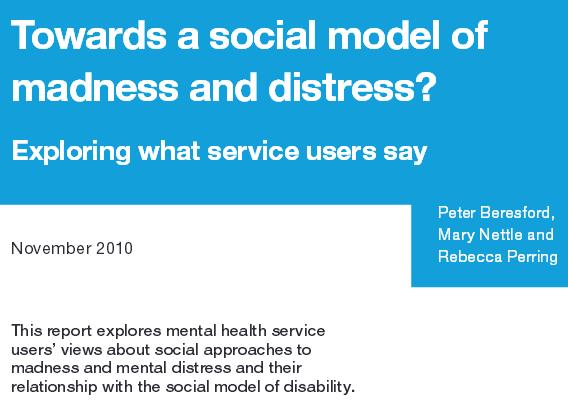
Monday 11.5.2009 at the Mental Health Foundation. Mary Nettle
David Armes, Andrew Roberts, Patsy Staddon, Kevin Simpson, Nelsy, Kati Jane
Turner, Angela Sweeney. Peter Campbell. Apologies
from Eamer O'Keeffe, who could not find the building.
Monday 1.6.2009 at
Together Kevin Simpson, Peter Campbell. Angela Sweeney, Jagadish
Jha, Ruth Sayers, David Armes, Eamer O'Keeffe, Barbara Norden, Andrew
Roberts
Monday 13.7.2009 at
Together Andrew Roberts, Peter Campbell, Clare Ockwell, Frank
Bangay, Sophie Mirrell, Angela Sweeney, David Armes, Michael Knight, Dinah
Ibrahim. Apologies from Hilary Egan and others.
Wednesday 5.8.2009 David Armes and Andrew Roberts visited
Suresearch
in Birmingham
Monday 24.8.2009?
Joan Hughes and friends celebration at
Together.
Monday 16.11.2009
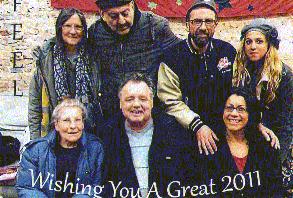
FEEL Meeting: LARC Centre: Proposal for a joint
Pageant of Survivor History adopted.
Monday 21.12.2009
FEEL Meeting: LARC Centre:
Monday 18.1.2010
FEEL Meeting: LARC Centre:
2010
Thursday 21.1.2010 Survivors History Group at
Bunhill Quaker Meeting House: David Armes,
Peter Campbell, Andrew Roberts
Monday 15.2.2010
FEEL Meeting: LARC Centre: Nathalie Fonnesu, Anton Manickam,
David Kessel, Charleen Elliot, Nelsy, Maribel Moore, Sarah
Barrattt, Sergio Almasy, Obin Ahmed, Crisp, Paolo Fiora, Andrew Roberts,
Pia Khan and Frank Bangay.
Wednesday 3.3.2010 FEEL Pageant Planning
Monday 15.3.2010
FEEL Meeting: LARC Centre:
Friday 19.3.2010 A Pageant of Survivor History
Wednesday 7.4.2010 Survivors History Group 1pm Together
Peter Campbell - David Armes -
Sheila Beskine
- Barbara Norden - Andrew
Roberts - Robin Hanau - Nathalie Fonnesu - Issues discussed included the
scope of the group and a proposal for a more visually effective exhibition.
Wednesday 26.5.2010 Survivors History Group 1pm Together
Fabian Tompsett
- Peter Campbell - Joe Kelly - David Armes -
Sheila Beskine
- Nelsy - David Kessel - Andrew Roberts -
Philip Morgan
Wednesday 14.7.2010 Birmingham seminar
Wednesday 28.7.2010 Survivors History Group 1pm Together
Peter Campbell, Andrew Roberts, David Armes, Nelsy, Anton
Manickham, Nat Fonnesu.
Wednesday 25.8.2010 Nottingham Conference
Wednesday 29.9.2010 Survivors History Group 1pm Together
Peter Campbell, Andrew Roberts, Clare Ockwell, Carole Murray, Nat
Fonnesu, Frank Bangay,
Fabian Tompsett, Philip Morgan, Nelsy,
Eamer O'Keeffe, Sophie Mirrell.
Wednesday 24.11.2010 Survivors History Group 1pm Together
Andrew Roberts - Clare Ockwell (Chai) -
Sheila Beskine -
Carole Murray
- Frank
Bangay - Fabian
Tompsett (Minutes) -
Philip Morgan
- Nelsy - Eamer
O'Keeffe - Daniel Johnson - Oisin Wall - Robert Deller.
Discussed aims of group. What we do includes the context of survivor
action. This would include the 15.7.1967 to 30.7.1967 Roundhouse Congress
(London) on the "Dialectics of Liberation", largely organised by radical
psychiatrists who later called themselves "anti-psychiatrists". Since May
2007, our main depository for information has been this website, but
individual members of the group maintain substantial physical archives,
listed on the website. A brief history of our accounts was given. There
will
be a regular sale of Asylum magazine at meetings and we discussed
contributions on Survivors Speak out, the Self-Harm Movement, THACMHO and
Robert Deller's Splitting in Two. We discussed the
Self Defence
Coalition. Sheila passed round Ginko leaves to remind everyone
of the importance of non-verbal communication, and a line from the
Holocaust Memorial in Kilcaldy was read: "We are as big or as small as the
space we make for those who are not like us."
2011
Wednesday 26.1.2011 Survivors History Group 1pm Together
Andrew Roberts - Eamer O'Keeffe - Dominic Walker - Nat Fonnesu -
Sheila Beskine -
David Kessel - Frank Bangay -
Fabian Tompsett
- Philip Morgan -
Agreed principles of autonomy of the parts of the group (eg London
meeting and Internet Forum)
Wednesday 30.3.2011 Survivors History Group 1pm Together
Daniel Johnson -
Sheila Beskine - Nat
Fonnesu (in charge of the agenda)
- Carol Murray -
Fabian Tompsett
(chairing) - Andrew Roberts (taking notes)
- Frank Bangay.
Agreed to focus our development work on: 1) networking with other
groups involved in survivor history - 2) archiving printed records (in
coordination with our web archiving)
8.4.2011
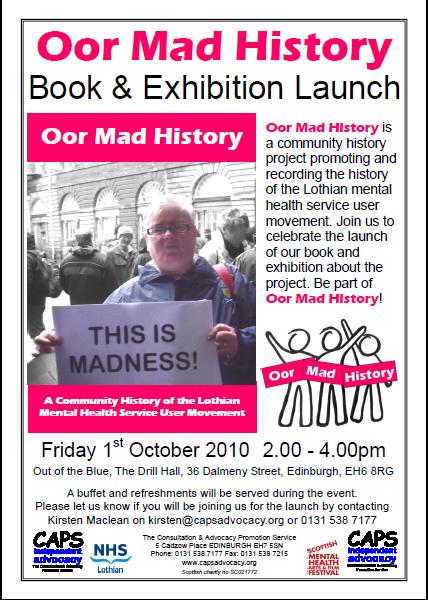
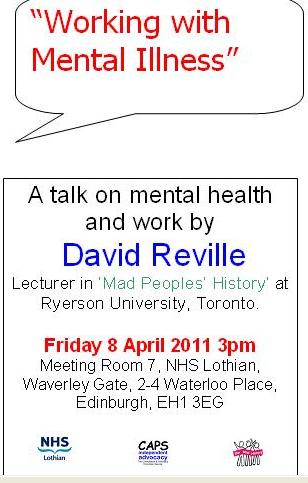
Edinburgh David Reville (Canada) at Oor Mad
History.
Tuesday 12.4.2011
Preston. Anne Plumb representing the
Survivors History Group.
Thursday 14.4.2011
Manchester David Reville, Anne Plumb and
Andrew Roberts, joint presentation
Wednesday 25.5.2011 Survivors History Group 1pm Together
Sheila Beskine
- Peter Campbell - Nat Fonnesu (chairing) - Andrew
Roberts (taking notes) - Frank Bangay - Nelsy - Carole Murray -
Sophie Mirrell - Eamer O'Keeffe - Douglas Taylor.
Wednesday 22.6.2011
Community Archives and Heritage Group AGM and Conference. Anne
Plumb - Sheila
Beskine -
Fabian Tompsett -
Philip Morgan -
Andrew Roberts, attended from
Survivors History Group.
Wednesday 27.7.2011 Survivors History Group 1pm Together
Anne Plumb -
Fabian Tompsett
(chairing) - Eamer O'Keeffe - Andrew
Roberts (taking notes) - Frank Bangay - Graham Eastop
Agreed tasks on archives (Graham to talk to Terry Simpson, Anne to talk
to Bradford Commonweal, Fabian to talk to Craig Fees, Andrew to digest
Community Archives material). Noted that Nina Rideout at Perceptions is
keeping a copy of every magazine and newsletter. Frank noted about Eric
Irwin: He spoke badly about Cane Hill where he recalled people being
chained to radiators. Eric came into his own towards the
end of PROMT. He came up with the name CAPO. His main strength was a
speaker. He did not miss meetings or demonstrations. Disappointed that
more people did not come to CAPO meetings. Did not organise Gigs. Wrote
letters to express his point of view.
Wednesday 28.9.2011 Survivors History Group 1pm Together
Kyoko Shiina -
Fabian Tompsett
(chairing) - Eamer O'Keeffe - Andrew
Roberts (taking notes) - Frank Bangay -
Sheila Beskine -
David Kessel -
Philip Morgan
- Carole Murray -
Agreed a budget, short and long mailing lists, online catalogue of
physical archives.
Wednesday 30.11.2011 Survivors History Group 1pm Together
Fabian Tompsett
(chairing) - Peter Barham - Eamer O'Keeffe - Andrew
Roberts (taking notes) - Graham Eastop - Sheila Beskine - Kyoko Shiina
Launch of Critical perspectives
on user involvement,. Copies are being sold at £15.00
instead
of the cover price of £26.99 at our London meetings (Over 35%
discount)
Meeting approved (so far unaudited) accounts up to 31.12.2010
2012
Wednesday 25.1.2012 Survivors History Group 1pm Together
Fabian Tompsett
(chairing) - Peter Barham - Andrew Roberts (taking
notes) - Graham Eastop -
Sheila Beskine - Carole Murray -
Meeting modified annual reports up to 31.12.2011 and called for further
discussion of the reports which will be modified and/or approved at the
next meeting.
Agreed to focus our development work on: networking and archiving (as
agreed 30.3.2011) and the development of our narrative history based on
histories written from different perspectives and interlinked.
Wednesday 4.4.2012 Survivors History Group 1pm Together [NOT
28.3.2012] We will talk about Peter Campbell's contribution to writing the
history of Survivors Speak Out and about other aspects of writing our
history.
Peter Campbell, Andrew Roberts, David Kessel, Peter
Barham, Eamer O'Keefe,
Fabian Tompsett,
Peter McGeary.
Survivor History Group News
Wednesday 30.5.2012 Survivors History Group 1pm Together
Peter Campbell, Andrew Roberts, Peter Barham, Ian Ray-Todd, Carole
Murray, Graham Estop, Peter McGeary.
Up to date Survivors (minutes)
June 2012 The Survivor History Group visited
Oor Mad History
in Edinburgh.
Thursday 21.6.2012 Travel to Edinburgh from different parts of
England. Stay in a Youth Hostel.
Friday 22.6.2012 Workshop and social meeting people involved
in all aspects of Oor Mad History and others as well. Carole Murray
(Sussex), Graham Estop (Sheffield), Anne
Plumb (Greater Manchester), Andrew Roberts (London) and Mark Gallagher
(Glasgow), met Anne O'Donnell, Be Morris, Colin Murray, Jimmy Osborne,
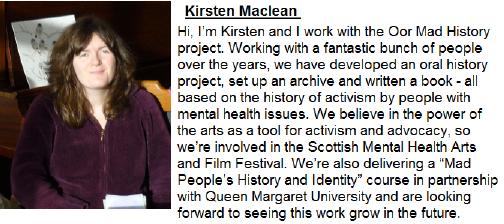
Kirsten Maclean, Lin Clarke, Renata Edge, Rhian Thompson, Steve Tilley and
others from Edinburgh.
Saturday 23.6.2012 Visit the Oor Mad History archive and study
how they do it.
Sunday 24.6.2012 Travel home
Wednesday 27.6.2012
Community Archives and Heritage Group AGM.
Fabian Tompsett
and
Andrew Roberts.
Survivor History Group News
Wednesday 25.7.2012 Survivors History Group 1pm Together
Peter Campbell, Andrew Roberts, Ian Ray-Todd, Graham Estop, Dina
Ibrahim, Hagir Ahmed, Peter McGeary (taking notes).
Wednesday 15.8.2012 Meeting about proposed book. Together.
Thurstine Basset,
Anne Plumb, Peter Campbell and Andrew Roberts
Survivor History Bulletin
Thursday 27.9.2012 Survivors History Group 1pm
Together [NOT
Wednesday 26.9.2012]
Peter Barham, Peter Campbell, Andrew Roberts, Ian Ray-Todd, Graham Estop,
Peter McGeary (taking notes).
A photocopy of the Survivors Speak Out
#Self Advocacy Action Pack was taken.
Survivor History News
Wednesday 28.11.2012 Survivors History Group 1pm Together. No
minutes
provided. Andrew Roberts, Peter Campbell, Peter Barham, Ian Ray-Todd, Dina
Ibrahim, Hagir Ahmed, Moussa (amongst others) were present.
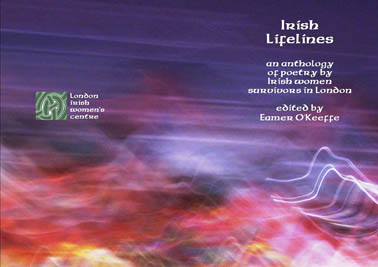
Eamer O'Keeffe
The Other Side of the Window - a collection of LGBT poems published
Octobar 2012
Copies made of
Eating Distress 1991 notice -
Nottingham Training the Trainers 1991 and its address list of
attenders.
2013
Wednesday 30.1.2013
Survivors History Group 1pm
Together No minutes
provided. Andrew Roberts, Peter Campbell, Ian Ray-Todd, Peter Barham and
Hagir Ahmed (amongst others) were present.
Agenda: Peter Campbell's report - Northern group (Graham and Anne and
hoping to meet Terry?) - Internet (allocated 30 minutes) - David - Book
(reviews of proposal were favourable, but we were asked to revise)
Survivor History News
Wednesday 10.4.2013 Survivors History Group 1pm
Together
Peter Barham, Peter Campbell, Andrew Roberts, Ian Ray-Todd, Graham
Estop; Sheila
Beskine, Hagir Ahmed, Frank Bangay, Nat Fonnesu, David
Kessel, Peter McGeary (taking notes).
Peter Campbell's account of research into the history of Survivors
Speak
Out from 1993-1996 was followed by a discussion of creativity in the
survivor movement.
Wednesday 29.5.2013 Survivors History Group 1pm
Together
Hagir Ahmed, Frank Bangay, Sheila Beskine, Peter Campbell, Carole
Murray, Clare Ockwell Ian Ray-Todd, Andrew Roberts and Peter McGeary
(taking notes).
Agenda: Peter's research - Sheila's concerns - Minutes - Book - What
else we do - Core Arts
News from Survivor History.
Wednesday 31.7.2013 Survivors History Group 1pm
Together
Hagir Ahmed, Frank Bangay, Sheila Beskine, Peter Campbell,
Graham Estop (Sheffield), Nat Fonnesu, David Kessel, Ian Ray-Todd, Andrew
Roberts, Christina Young (Liverpool) and Peter McGeary
(taking notes).
Agenda:
Patsy Staddon's gift - Celebrating David Kessel - Chapter by
Peter Campbell in a new book - Peter's research - Sheila's memories as an
art therapist at
St Clement's hospital, Mile End - Christina's Report -
the
St Clement's festival.
Survivor History Group News September 2013
Wednesday 25.9.2013 Survivors History Group 1pm
Together
Andrew Roberts, Sheila
Beskine, Ian Ray-Todd. Peter Campbell, Peter
Barham, David Kessel, Clare Ockwell and Peter McGeary.
Agenda:
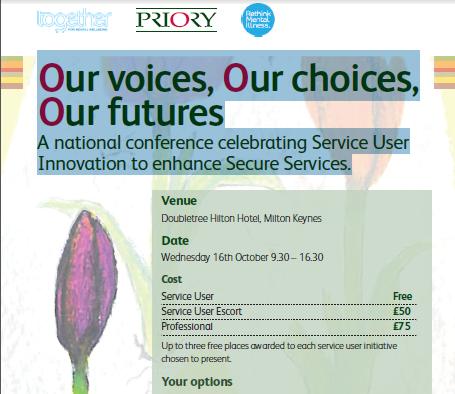
"Our voices, Our choices, Our futures" - Art therapy
[Wednesday 16.10.2013: Clare Ockwell the Survivors
History Group at the Our voices, Our choices, Our
futures conference of participants from secure hospitals in Milton
Keynes]
Survivor History November Notes
Wednesday 27.11.2013 Survivors History Group 1pm
Together
Andrew Roberts, Sheila
Beskine, Ian Ray-Todd, Peter Campbell, Peter
Barham, Naheen Ali, Nathalie Fonnesu, Peter McGeary (Notes).
Copy of accounts given to Peter Barham
Agenda: Survivors Speak Out 1994-1996.
Copies made of
Away Day notes 3.12.1994 and Jim Read's paper
""Future of SSO" 1.12.1994
Survivor History Group Minutes and Report
Survivor History News
More Survivor History Group News
Wednesday 29.1.2014 Survivors History Group 1pm
Together
Frank Bangay, Peter Barham, Sheila Beskine, Peter Campbell, Brian
Douieb, Liz Durkin, Nathalie Fonnesu, David Kessel, Barbara Morden
(Birmingham), Andrew Roberts, Phil Ruthen, Peter McGeary (Notes).
Agenda. The main item was a discussion of
Eric Irwin
and his contribution to the movement. Full list: OATS Project -
Introduction - Louse/Helen Report -
National Disability Arts - Patsy's book
- Eric - Barbara's presentation.
Wednesday 26.3.2014 Survivors History Group 1pm
Together
Discussion of The Last Asylum by Barbara Taylor and of the
launch event in connection with this. Those who attended the launch shared
their memories for the benefit of all.
Wednesday 28.5.2014 Survivors History Group 1pm
Together
Peter Barham, Sheila
Beskine, Thurstine Basset, Peter Campbell, Ian
Ray-Todd, Andrew Roberts, Phil Ruthen, Peter McGeary (Notes).
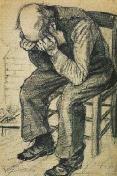
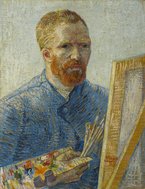
Agenda included a discussion of art and mental health in relation to
Vincent van Gogh (1853-1890). Peter Barham
and
Thurstine Basset
visited Paris to research this for us. The meeting gave us another
opportunity to investigate the way in which pictures, textures and objects
communicate.
The meeting was minuted by Peter McGeary and has now emerged as
an illustrated
web article
Wednesday 30.7.2014 Survivors History Group 1pm
Together Naheen Ali,
Nathalie Fonnesu, Ian Ray-Todd, Andrew Roberts. We discussed various
features of the
Shuffle Festival including Deaf Films Screening.
Ian, Nat and Naheen kept the meeting going
with a lively discussion, which was not recorded, but seemed to be
enjoyed.
Wednesday 24.9.2014 Survivors History Group 1pm
Together
Constantina Papoulias and Jenny Walke led a discussion about the
the
Service Users Research Enterprise and its
current research projects. Also present Ian Ray-Todd, Andrew
Roberts, Nathalie Fonnesu, David Kessel, Peter Barham, Dina
Ibrahim and Hagir Ahmed. We discussed
the future of the Survivors History
Group. Peter Barham and Andrew were asked to consider
future meetings - using a draft of events for discussion made by the group
- and report back. A set of notes was exchanged
between them and Peter Campbell, Ian and Nat which included:
The
future of the group and related issues.
Mary Barnes and survivor art along with visits to the
exhibition. The poetry of Howard Mingham could be
discussed. A
web report on the
meeting we had about
Van
Gogh has been put online and it was suggested we should have a
similar report on the work of
Mary
and
Howard
- related to
survivor history.
June 2015 fifty years anniversary of the Kingsley
Hall Asylum discussed. Suggested we could discuss the
recently published
collection of inmate's views. Also suggested a discussion of the
history of survivors' responses to
Community Treatment Orders
[28.10.2014 Howard Mingham memorial. Brick Lane, 7pm-9.30pm
David Kessel, Dina
Ibrahim, Hagir Ahmed and Andrew Roberts attended]
[23.11.2014 Feel November meeting. Sanity for Beginners]
Andrew brought the accounts of the group up-to date and reconciled them
with the bank account. Copies were been sent to Nat, Peter Campbell, Peter
Barham and Ian.
Wednesday 26.11.2014 Survivors History Group 1pm
Together
Jenny Walke, Andrew Roberts, Peter Barham, Nathalie Fonnesu, Ian Ray-Todd,
Peter Campbell, Peter McGeary (Notes).
The future of the group - and other issues.
Accounts for 2014 were shown to the group and it was agreed that Peter
Barham, Peter Campbell and Andrew Roberts to meet as a sub group in the New
Year to discuss accounts, once Andrew has received full release of
paperwork from the bank.
2015
[January to March 2015. Mary Barnes exhibition]
[CANCELLED: Wednesday 28.1.2015
Thursday 12.2.2015 Group visit to Mary Barnes exhibition and to
Kingsley Hall
Wednesday 25.3.2015 Survivors History Group 1pm
Together
Discussed
Howard Mingham and
Mary Barnes and survivor art.
Present: Andy Brooker, Jenny Walke,
Andrew Roberts,
Nathalie Fonnesu,
Peter Campbell, Emon (Notes),
Nelsy,
David Kessel, Naheen Ali,
Saturday 28.3.2015 Jennifer Walke on the history of the present
Bethlem at the Museum of the Mind.
Tuesday 31.3.2015 Group visit to the
Museum of the Mind
Wednesday 27.5.2015 Survivors History Group 1pm.
Together.
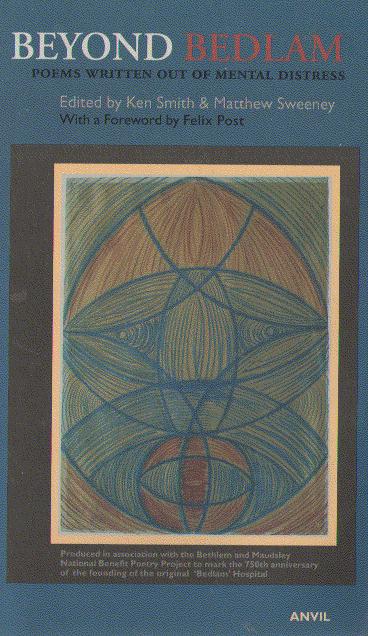
Beyond Bedlam Peter Campbell started a discussion about
collaboration and conflict in
1997 by reviewing
"Beyond Bedlam: Poems
written out of Mental Distress", which was published in 1997 in
cooperation
between
Royal Bethlem and
Survivors Poetry and Jenny Walke made a
presentation about the modern Bethlem Hospital
(1930 to the present)
Present:
Andrew Roberts, Ellen Camroux, Jenny Walke, Peter McGeary
(Notes), Peter Barham,
Peter Campbell, Nathalie Fonnesu,
Nelsy, Frank Bangay.
[June 2015: Fifty years
Kingsley Hall Asylum]
Survivor News
Survivor History Special - Bethlehem
Hospital.
Wednesday 29.7.2015 Survivors History Group 1pm
Together
Introductions followed by a presentation of
Standing up to madness - An autobiography
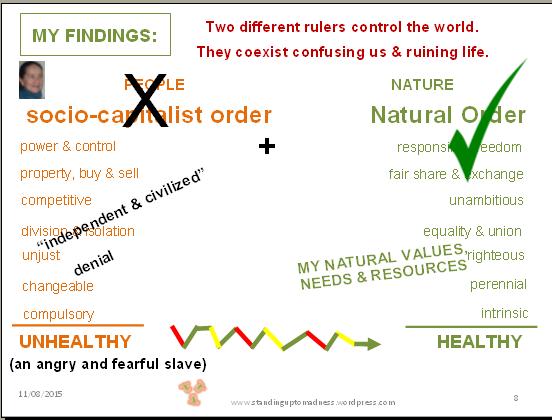
by Nelsy and discussion. Nelsy focused on the contrast between "capitalist"
and "natural" ways of relating to one another. Discussion followed by Peter
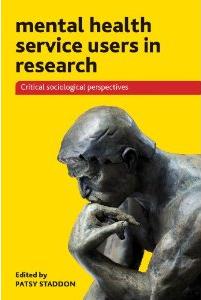
Campbell's introduction to
Mental Health Service Users in Research: Critical Sociological
Perspectives, edited by Patsy Staddon and discussion.
The fancy word of the day was
autoethnography.
Present: Andy Brooker, Jenny Walke,
Andrew Roberts,
Peter Campbell,
Nelsy,
David Kessel, Naheen Ali, Ellen Camroux, Peter McGeary
(Notes), Hagir Ahmed, Melanie Anne Ball
(Cassel), Orla
Cassidy, Carla Mayes, Hélène Réglé
(Club des peupliers, Paris),
Ute Maria Kraemer, David Turner.
[August 2015 Restructuring]
Survivor History Group Newsletter Summer 2015
Wednesday 30.9.2015 [NOT 23.9.2015] Survivors History Group 1pm
Together
Present:
Peter Barham,
Frank Bangay,
Peter Campbell,
Ellen Camroux, Hagir Ahmed,
Andrew Roberts,
Jenny Walke,
Graham Estop, Peter
McGeary (Notes). Dina Ibrahim spoke to us by telephone.
Graham spoke with regret of the loss of the National Perceptions Forum,
a group of people with severe mental distress who were funded by Rethink,
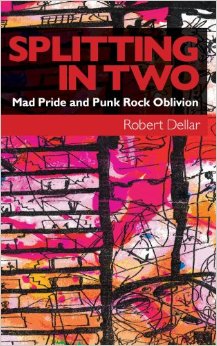
but "never controlled by Rethink". The main discussion was of
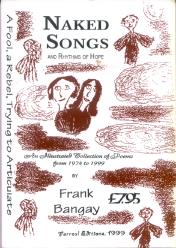
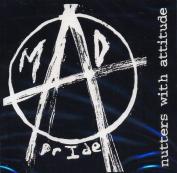
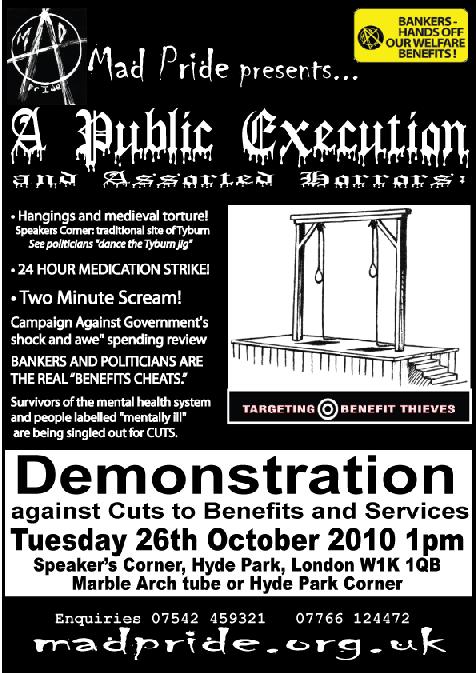
Splitting in Two: Mad Pride and Punk Rock Oblivion
led by Frank Bangay and Peter Campbell.
David Kessel had been expected for a discussion of his
Penny Poets Manifesto and the
Schizophrenic Salvation Network introduced by Peter Barham, but
was unable to.
Wednesday 25.11.2015 Survivors History Group 1pm
Together
We discussed a chapter by
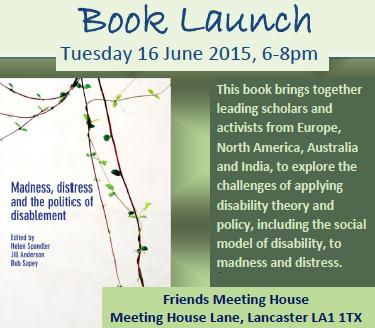
Anne Plumb in Helen Spandler, Jill Anderson and Bob Sapey's
new collection of articles on
Madness, distress and the politics of disablement. We heard from
Laura Mitchison
about a project on
Centerprise history.
Present: Andy Brooker, Hagir Ahmed,
Andrew Roberts,
Nathalie Fonnesu, David Turner, Naheen Ali,
Laura Mitchison,
Peter McGeary (Notes). After the main meetiing: Laura Able.
Hagir Ahmed said that her Sudanese community group include many
mentally distressed people who have witnessed trauma of war, including
rape. Now experiencing domestic abuse and violence. In her view the
medicalisation of health issues 'papers over the cracks' that originate in
peoples misuse of others.
Wednesday 27.1.2016 Survivors History Group 1pm
Together
Present: Andy Brooker, Hagir Ahmed,
Andrew Roberts,
Ute Maria Kraemer, Jenny Walke,
Nelsy, Peter Barham
, Peter McGeary (Notes).
UN Convention on the Rights of Persons with Disabilities: out of the frying
pan into the fire?
Wednesday 30.3.2016 Survivors History Group 1pm
Together
Present: Andy Brooker,
Andrew Roberts,
Naheen Ali, Laura Able (from Halifax), Frank
Bangay,
Peter Campbell,
Peter McGeary (Notes).
Discussions focused around
Madness, Distress and the
Politics of Disablement. Laura asked "what would change if
society and services were related to a social model of mental
distress?". We thought that multiple meanings of being a survivor included
the
intersection of race, class, family, employment and
unemployment, mental distress and other categories.
(See chapters by
Frank Keating and Barker and Iantaffi). We wondered how many
societies had welfare systems that provide the possibility of surviving
without paid employment? In their chapter,
Russo and Shulkes, say discussions of "disability" include whether this is
the name we want for our own experience, disability as qualifying for
welfare, and disability as a concept around which to campaign for rights
(as in the UN Convention). Andrew, Frank and others thought the survivor
movement has given insufficient attention to welfare issues. We bookmarked
Wallcraft and Hopper's chapter on Amaryta Sen's "capabilities approach"
which rethinks the "framework of welfare economics". Andy Brooker noted the
debate and book launch for
All Our Welfare - Towards participatory social policy
by Peter Beresford on 11.5.2016. We received news of the
pending publication of
Searching for a Rose Garden, with articles by many of our
members,
in mid-May.
Wednesday 27.4.2016 Survivors History Group Extraordinary Meeting
1pm
Together - Talking to
Patsy Staddon
Present: Andy Brooker,
Andrew Roberts,
Peter McGeary (Notes), Patsy Staddon and
Bonnie
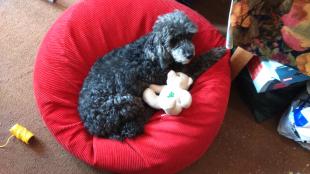
the Poodle.
Wednesday 25.5.2016 Survivors History Group 1pm
Together
Andrew Roberts,
Peter McGeary (Notes), Frank
Bangay,
Peter Campbell
Peter Campbell on the relations between the disability and survivors
movements.
Wednesday 27.7.2016 Survivors History Group 1pm
Together
Andrew Roberts, Graham Estop, Liz Davies, Naheen, Jasna Russo, Elaine.
Nelsey, Jenny Walke, Andy Brooker, Peter McGeary
What would a survivor history
museum contain?
Wednesday 28.9.2016 Survivors History Group 1pm
Together
Andrew Roberts, Helen Spandler, Dina Poursanidou, Graham Estop, Ute
Kraemer, Brian Douieb, Peter Barham, Ann Plumb, Frank Bangay, Peter
Campbell, Peter McGeary.
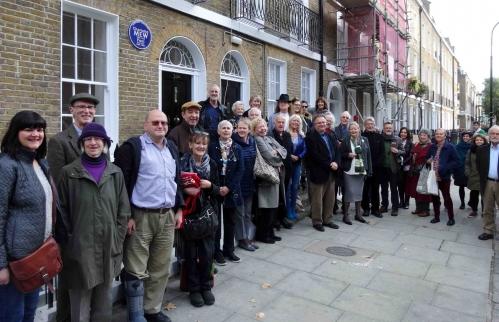
Saturday 20.10.2016 Charlotte Mew plaque unveiling at 2pm
Wednesday 30.11.2016 Survivors History Group 1pm
Together CANCELLED
From Andrew Roberts Wednesday 9.11.2016
"In January 2015 we had to cancel a meeting of the Survivors History
Group. This followed a difficult period working out how we could
mange as a group, raising money, and monitoring accounts, for
example.
"Careful thought and discussion followed and, as a result, we
separated the groups administrative issues from the general meetings
(they are dealt with by a small finance group) and prepared a series
of meetings with substantial discussions of themes (Mary Barnes and
creativity, for example) and books. These have been much appreciated,
but although records have been kept of the discussions, these have
not been adequately reported to readers of the email newsletter.
This is is one of the many things on which I have fallen behind.
"The meetings we fully planned finished in September. Because of the
personal problems of members, we have decided to suspend future
meetings whilst we seek people to plan and run them. Andy Brooker has
suggested that we put together a small group of people in the London
area who could take on collective responsibility for planning and
organising some London meetings. Together have said they will be
happy to continue providing our free meeting space when we are ready
to resume.
"Those of us who currently organise the meetings will carry on. What
we seek is other people to join us so that routine tasks like being
responsible for a meeting, welcoming people, making hot drinks and
(possibly) providing refreshments, are shared. If you think you could
help with this, please
let me know. Once we have a few volunteers, we
can discuss planning a London programme for 2017.
Best wishes, Andrew [Roberts]
Wednesday 25.1.2017 Survivors History Group 1pm
Together
Stephanie Taylor King, Peter McGeary, Naheen, Andrew Roberts
The history (and future) of
NSUN, "an independent,
service-user-led charity that connects people with experience of mental
health issues to give us a stronger voice in shaping policy and services".
Presentation by Stephanie Taylor King, who is the web
editor and information officer (part time) at NSUN
We also discused the team organisation for the London meetings, the
latest
Asylum magazines, the Charlotte Mew plaque,
SUMP and
Rose Gardens as topics for future meetings.
Survivor History (including
NSUN)
Wednesday 29.3.2017 Survivors History Group 1pm
Together
Cheryl Prax,
Frank Bangay,
Peter Campbell,
Andrew Roberts,
Peter McGeary (Notes),
Nelsy, Andy Brooker, Graham Estop,
Nathalie Fonnesu, Stephanie Taylor King, Shahd Ibrahim Mukhayer
and Mohamed Mukhayer.
A meeting about preserving our past and supporting each other now and
in the future. Recalling who we are and who we are becoming (together).
In the second half of the meeting we remembered the lives of
Dina Ibrahim (1982-
2017) and
Robert Dellar (1964-
2016) and
Patricia Chambers
(1965-2016) and discussed a proposal for a more extensive coverage of
survivor lives in
Asylum magazine. We also looked at the Asylum
article
"Don't Be Mean. Be Kind" by the Edinburgh survivors study group
"Mad
People's History and Identity". We discussed experiences of suicide, of
family and friends supporting on another, and of asylum and community in
the Sudan and in England.
We began with discussion of "Supporting each other in the future"
in Peter Beresford's book
All Our Welfare - Towards participatory social policy
. Andrew Roberts presented
a paper
relating All Our Welfare to survivor history. This
provides background to the Survivor History Group's London meetings
this year. We have received a letter about the
Science Museum's new Medicine
Galleries and another about an historic concert featuring poems of
Charlotte Mew set to music.
Thursday 20.4.2017
Andrew Roberts attended archiving session at the
Bishopsgate
Institute, where we plan to deposit the Mental Patients and
Survivors archives preserved by
Andrew and
Peter Campbell.
Monday 24.4.2017 Charlotte Mew recital at Temple
Meeting7.5.2017
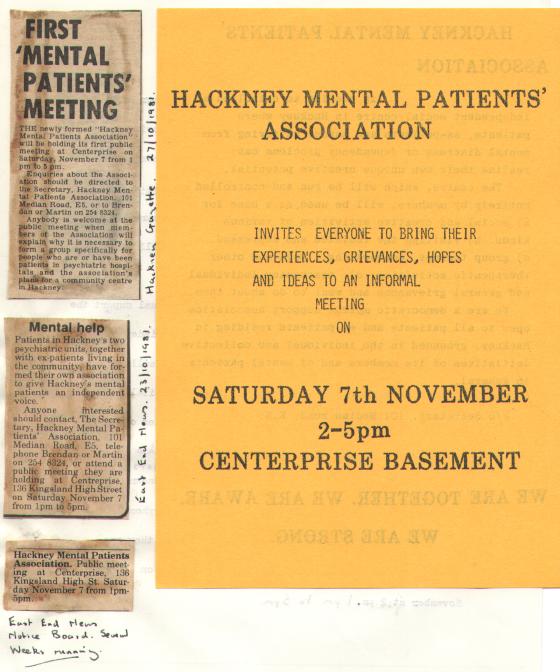
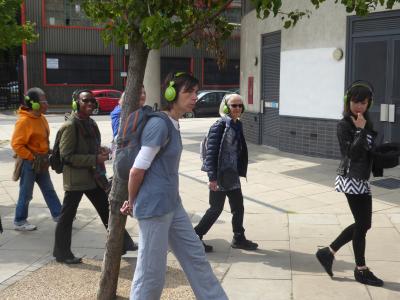
Sunday 7.5.2017 History walks through Homerton listening to
pre-recorded audio about birth, madness and creativity, inside and out of
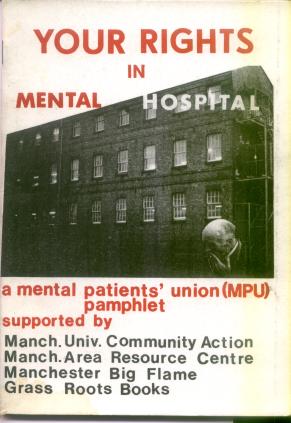
the Institution. Voices representing people associated with Centerprise,
the Mental Patients' Union and Core Arts.
Starting Homerton Station at 2.25 and 3.25pm.
Available online. Followed by the launch of
Centerprise history projects at Sutton House.
2 and 4 Homerton High Street, London E9 6JQ, from 5pm to 7pm.
Attended by
Liz Davies -
Brian Douieb -
Helen Spandler -
Liz Brosnan - Andy Brooker -
Andrew Roberts -
Nathalie Fonnesu and others from Survivors History. From 4pm to
5pm we met at Sutton House to discuss memories of the Mental Patients
Union, the connection between Centerprise and MPU, the work of the MPU and
the ongoing legacy.
Wednesday 31.5.2017 Survivors History Group 1pm
Together.
Fabian
Tompsett, Ajay Sawhney, Kerum Wallwork,
Anne Plumb,
Oisín Wall and Katie Gonzalez-Bell from the Science Museum,
Graham Estop,
Frank Bangay, Peter McGeary (Notes), Gordon
Joly, Diana Rose, Sam
Shakes,
Nathalie Fonnesu, Stephanie Taylor King, Sarah Chaney,
Andrew Roberts
This meeting, about our living survivor heritage in people,
objects, archives, websites, plaques, museums and art collections, began
with an introduction from Fabian and Sam to the "healththrough history"
legacy of
Philip Morgan. Asylum
magazine will be publishing memories
of
Patricia Chambers and
Dina Ibrahim and has requested one on the legacy of Philip
Morgan and health through history. We looked at
an Asylum article about
Leonard Roy Frank.
Sarah Chaney, author of the Wellcome Library article
(15.12.2016)
"Where is the survivor archive?"
then spoke and led discussion.
legacy
Thursday 15.6.2017
Philip Morgan's
funeral. See
crowd funding
28.6.2017
Asylum Conference, Manchester
Wednesday 26.7.2017 Survivors History Group 1pm. This will be the
last at Together, 12
Old Street, as Together are moving.
Kerum Wallwork,
Anne Plumb, Sam
Shakes,
Nathalie Fonnesu, Stephanie Taylor King, Graham Estop,
Andrew Roberts,
Peter McGeary (Notes), Peter
Campbell, Ute Kraemer,
Denise McKenna,
Stefano Peria, Drew McFadyen.
Rose Gardens: Alternative dreams and realities - A discussion based
on
Searching for a Rose Garden: challenging psychiatry, fostering
Mad Studies - a collection of articles edited by Jasna Russo
and
Angela Sweeney. See Survivors and Rose Gardens discussion document.
We first discussed the evolution of the
concept or
poetic symbol
(metaphor)
of a rose garden. We then discussed (inadequately) the
idea of "alternatives to something" and the alternatives projects
discussed in the book. Finally we discussed "what is Mad Studies"?
The Asylum slot focusing on the summer issue and articles in preparation.
An article by Nat about
David Kessel] was circulated, but David was
not present to discuss it. News included our meeting at Wesley's Chapel in
September and November. We will set up a heritage sub-group to discuss
proposals respecting archives.
9.9.2017 Loonies Fest at Kingsley Hall.
16.9.2017 Kingsley Hall open houses
Wednesday 27.9.2017 Survivors History Group 1pm-5pm. New meeting
place: Lower Meeting Room,
Wesley's Chapel, 49 City Road, London, EC1Y 1AU.
Near Old Street underground station.
Peter Campbell,
Peter Barham, Peter
McGeary (Notes),
Sam Shakes, Kerum
Wallwork, Liz Brosnan,
Fabian
Tompsett, Angela Sweeney,
Daryl Brown,
David Kessel.
Andrew Roberts,
The history and future of Welfare and participation - Based on Peter
Beresford's book
All Our Welfare - Towards participatory social policy
, published in 2016.
Peter Barham discussed what the book
contained
generally. He hopes to have this published as a review.
Peter Campbell discussed the relevance of the book
to the survivor movement. Peter Campbell, Angela Sweeney and Andrew
Roberts have prepared
some questions to send to Peter Beresford. Andrew talked about just "being
together" at the family gathering after Dina's death and we looked at some
features of
Asylum magazine which emphasised community and mutual
support.
Sam Shakes introduced her
books, Daryl Brown spoke about the work
he has been doing on psychiatric drugs and sexual dysfunction and we had a
wide ranging discussion of possible ways forward for the group.
QUESTIONS: Peter Campbell: Peter Beresford talks about the disability
movement's criticisms of charities. What does he think about the
relationship between the survivor movement and major mental health
charities over the years? - Does survivor involvement actually work?
Looking at the 1980s and 1990s, I would say a lot of involvement did not
achieve very much change. I do not know what the situation is like now.
- Peter Beresford mentions Judi Chamberlin's book and talks about user-led
alternatives. To what extent do these actually exist? Again, I think not
a lot in the 1980s and 1990s, but I do not know about nowadays. Angela
hopes for a discussion "round the current role of the media regarding the
welfare system. There has been a stigma to claiming benefits for as long
as I can remember, but we are now living in an age where TV programmes
focus on people who receive benefits in horribly negative, damaging and
stigmatising ways. I think it perpetuates an 'us and them' attitude,
whereby people who work can hold and express denigrating attitudes towards
people who do not. As a community and a society we do not sanction people
who express those denigrating views. I am not sure what the solution is,
but it would be interesting to think about and discuss. Andrew related the
discussion to Peter Beresford's vision of a participatory welfare system.
the implication of much of what was said seemed to be that more
participation would mean more assimilation.
Wednesday 29.11.2017 Survivors History Group 1pm - 5pm: Lower
Meeting Room,
Wesley's Chapel, 49 City Road, London, EC1Y 1AU. Near Old
Street underground station.
Peter
McGeary (Notes), Sam
Shakes, Kerum Wallwork, Liz Brosnan,
Daryl Brown,
Andrew Roberts,
Stephanie Taylor King, Graham Estop, Jessica Campbell, Lucy Goldsmith, Liam
Kirk, Dina Poursanidou, Helen
Spandler, Andy Brooker, Mark Gallagher,
Jenny Walke, Steffan Blayney, Ruth
Silverleaf, Akriti Mehta, Ajay Sawhney,
Frank Bangay, Ben Glass.
Spirits of past, present and things yet to be
(Christmas
Carol). Peter McGeary, as the jolly spirit of the present,
brought us food and drink to start our meeting in a friendly way. Spirits
of the past then took us down the
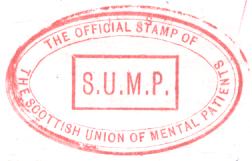
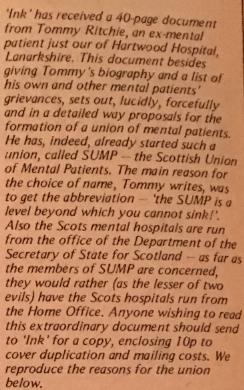
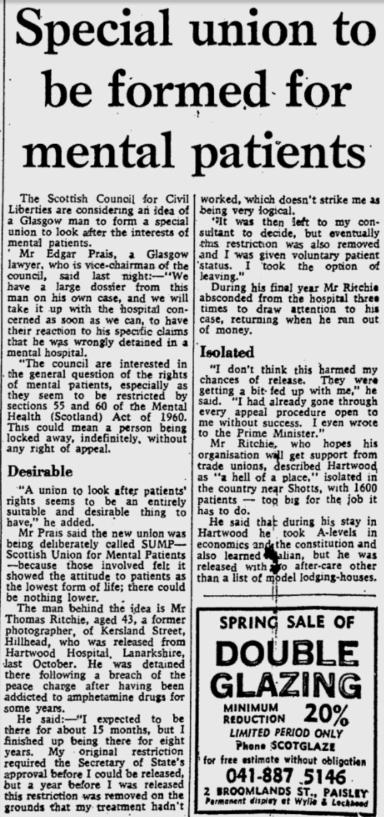
SUMP to the Scottish
Union of Mental Patients of the early 1970s, and its part in survivor
history. Mark
Gallagher of the University of Glasgow told us about
Thomas Ritchie. Mark is the author of
in the "History of Psychiatry" called "From asylum to action in Scotland:
the emergence of the Scottish Union of Mental Patients, 1971-2". We
discussed the concepts of
space and permeability that Mark uses. We all
occupy physical and social spaces within which we have to act and some of
these are more open to the world outside than others. Thomas Ritchie sought
to secure his freedom from the space of
Hartwood
Hospital, near Glasgow, using a collective "grievance" of
himself and other patients. We discussed the methods he used, how he found
ways to interact with outside organisations and media, and the records he
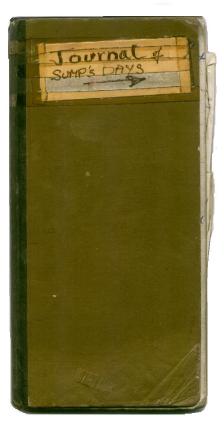
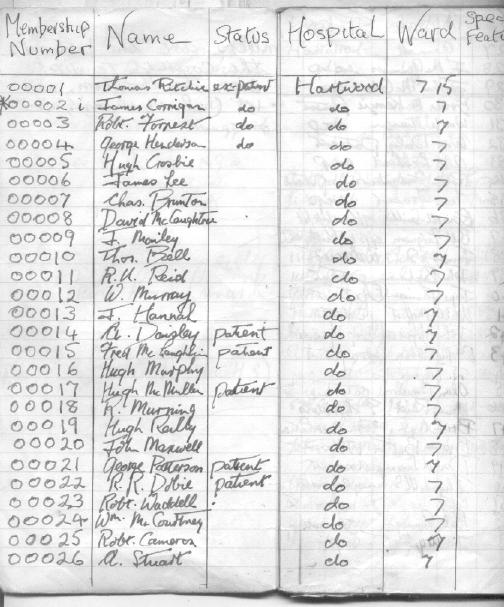
left. Mark's work is based on this
SUMP archive, which
Andrew Roberts showed us. After another round of refreshments, Helen
Spandler spoke about the archive of
Asylum magazine at te Wellcome
collection at Euston and her plan to create a book from articles form its
thirty year history. The spirit of things to be then suggested new ways to
run the Survivors History Group in 2018 (see below). Bringing tears and
hope, we talked about working with the Friends of Philip Morgan to preserve
his
legacy of "health through history", related this to survivor
responses to deaths and other tragedies and to an extract from one of Sam
Shakes' fairy tales for
all ages.
Liz Davies and
Brian Douieb, founders
of the Mental Patients Union in 1973, were unable to attend because of
their
work with survivors of child abuse. We are considering an email
network of people, like them, on the history of patients unions in the
1970s.

|

|
The spirit of things yet to be?
|
From 2018 the Survivors History Group has a new pattern of meetings.
Instead of regular bi-monthly ones we have more diverse ones
working with others and with archives. One reason for this is to allow more
attention to be paid to the development and preservation of physical and
digital survivor archives. Four or five "events" are planned are planned
for 2018. The first will be a
Spirit of Philip Morgan
joint event on
Saturday 5.5.2018
We are working on topics
that will be
Asylum magazine features and entries for the survivors
history website. Some of these will link to meetings.
Identity - Who am I?
|
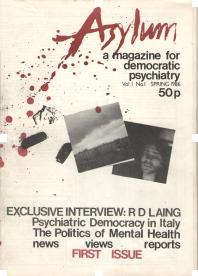
The March edition of Asylum contains an article called
"Creative identities, in the spirit of
Philip Morgan" about
contributions of survivors descending from
Africa and Asia to the English survivor movement. It also contains a
review Ravaged Wonderful Earth by William Park and an article
discussing this relation to the preservation of survivor identity and
culture. Both will be part of our
Spirit of Philip Morgan exhibition.
We are cooperating with Jayasree Kalathil
on a project to record the history of Black and Asian survivor
history. This is part of the
EURIKHA project
|
At
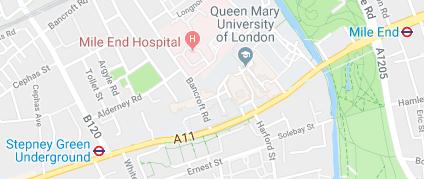
Tower Hamlets Local History Library and Archives, 277 Bancroft
Road, London E1 4DQ
|
The A11 on this map is Mile End Road. Buses 25 and 205 run along this
road. Stepney Green is the nearest tube. The library and archives is on the
east side of Bancroft Road, before you reach Alderney Road.
|
|
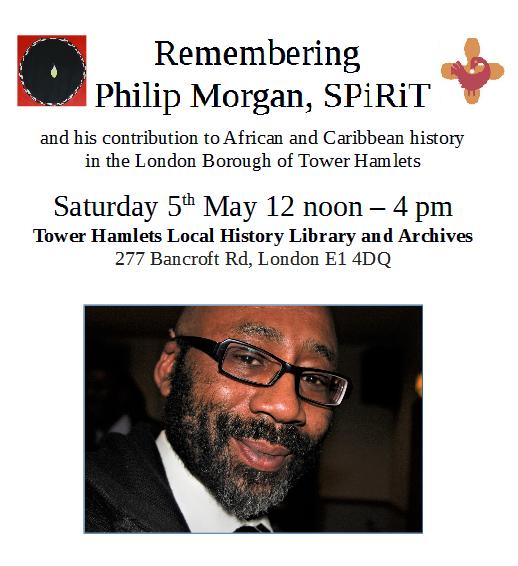
The exhibition was launched by a special meeting on Saturday
5.5.2018 from noon to 4pm
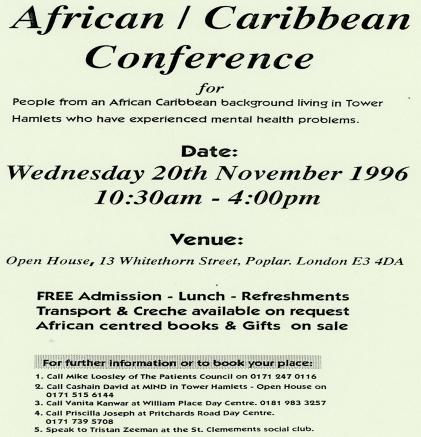
Remembering Philip Morgan, SPiRiT
and his contribution to African and Caribbean history in the London Borough
of Tower Hamlets at Tower Hamlets Local History Library and Archives.
flyer pdf
|
Four hours of memories and companionship
hosted by the Friends of Philip Morgan (which includes the Survivors
History Group). To include a presentation on survivor history and a
survivor history exhibition. Everyone welcome.
The launch coincides with the first
anniversary of Philip's death. It is an open meeting and will
discuss the significance of Health through History to all of us, as well as
being a reunion for some, a time to reflect on how we cope with
grief and also carry the legacy of our cultural "ancestors" forward.
Wednesday 24.10.2018 10am to 5pm in the at
Wesley's
Chapel in City Road, London
Harry
Cumberbatch,,
Sam Shakes, Liam Kirk,
Anne Plumb (Manchester),
Nelsy,
Terry Simpson (speaker from Leeds), Peter McGeary (notes), Ruth
Silverleaf and Akriti Mehta
(EURIKHA), Steffan
Blayney,
Peter Barham,
Keira Pratt-Boyden, Ben Ellsworth, Carolina Talavavera, Sabine Stuetz,
Dina Poursanidou, Graham Estop (Shefield), Trevor Francillia,
Frank Bangay,
Nathalie Fonnesu,
Christina Young (Liverpool), Naheen Ali,
Fabian Tompsett, Raymond Smith, Lauri Allen, Vincenzo Passante,
Karen Clarke,
Andrew Roberts,
Gemma Smith (Museum of Methodism).
Main activities in the Kwanglim Room on the first floor, which is larger
than the room we previously used. Throughot the day
exhibitions were
provided in the Kwanglim Room by different groups. We met at 10am to set
these up.
There was a morning talk (in the Kwanglim Room) on Methodism and
madness in 18th century London
and America (see
outline of talk), followed by a film and tour of the
Museum of Methodism (in the basement). The talk started twice
(11am and 11.30am)
because the speaker (Andrew
Roberts) mistook the time! In the first session he talked about
the mental
experiences of John Marrant, author of
A narrative of the Lord's
wonderful
dealings with John Marrant, a black (1785). Everyone
received a copy of
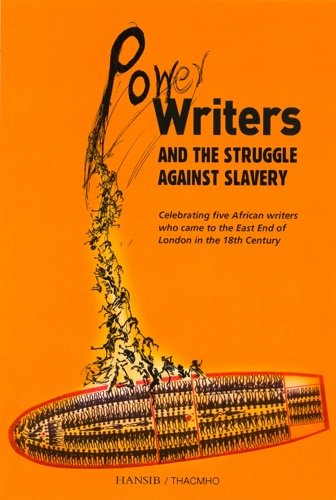
Power Writers and the Struggle Against Slavery (with
information about John Marrant). The second session was more about
John Wesley's book
Primitive
Physic
(1747 and 1770) with its alternative therapies for Lunacy and Raging
Madness,
and the conflict between the madhouses of east London and the early
Methodists. Copies
of Primitive Physic were on sale in the Museum of Methodism.
Documentation for the matters outlined in the talk will be found in
Enthusiasm and Religious
Melancholy on this site.
Sometime after 12pm we were shown film about the history of Methodism in
the Philadelphia Room, a large room in the basement, near the Museum of
Methodism. After which people were able to visit the Museum
using the leaflet "Museum
of Methodism" as their guide. Some also visited Wesley's House, in the
front
of Wesley's Chapel, to see Wesley's machine
for curing people with electricity. The online
Teachers Information Pack is a useful guide.
1pm Refreshments and socialising. Peter McGeary was our refreshments
host.
1.30 The Introduction started with details about claiming travel costs
followed by an outline of changes to the Survivors
History Group including the role of the Finance and General Purposes
Committee and the possibility of
an annual meeting similar to the present one. People presenting
the exhibitions then introduced themselves and
summarised what they had brought. After this, everyone else introduced
themselves briefly. The number of people present meant this took some time,
but it was time well spent. In introducing the afternoon speaker, Andrew
Roberts said the whole day had been about networks. Historically, people
who experienced extreme mental states have related to one another and
others through religious organisations such as the Methodists and the
history of the survivor movement
before 1845 requires us to look at the history of spiritual
organisations. Explicitly survivor organisations can be traced back to the
1960s
(and before) and one of the most significant of these, uniting
large numbers of groups, was the
United Kingdom Advocacy Network of the 1990s and early part of
the new millennium.
2pm Terry Simpson talked about the significance of UKAN, the
United Kingdom Advocacy Network, within the survivors movement, its
strengths and weaknesses, successes and failures, and the politics of
its ultimate demise. We circulated
an outline of his talk before the meeting hoping this would
help others join in the
discussion, relating UKAN to activities they have knowledge of. There was a
vigorous discussion that did just this.
Terry's talk was and introduction to the general
topic for the afernoon which was "MPU to NSUN via
UKAN and Perceptions: The development
of national (UK) networks from MPU in the 1970s to NSUN at present, with a
special focus on UKAN (the United Kingdom Advocacy Network) and its
magazine The Advocate and the National Voices Forum and its magazine
Perceptions. Terry spoke with support from
Graham Estop on the Voices Forum.
We had hoped to have exhibition material about NSUN - The National Survivor
User Network. In some senses, NSUN replaced UKAN. The future of
NSUN itself is now difficult and it would be useful to examine the general
issues
relating to having a national survivor body, like UKAN and NSUN, that
tries to bring us together.
October 2018 Exhibitions
A collection of
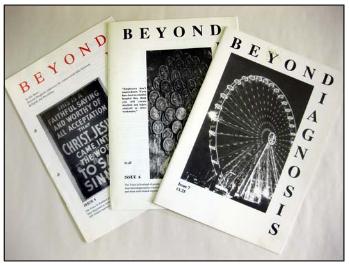
The Advocate (UKAN's
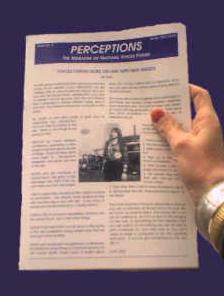
magazine) and some Perceptions magazines supported
the talk and discussion. Terry distributed free copies of the
June 2004 issue of The Advocate, which he used as one of
his two "snapshots" of UKAN's activities.
Dina Poursanidou, with help from Anne Plumb, provided an historic
collection of
Asylum magazines for looking at, plus
present day ones to take away. Dina is a service user on the Asylum
editorial collective. She told us that Asylum is not user-led but does seek
to promote user led alternatives to medical psychiatry. It sees itself as a
radical group. She thought it fair to describe it as run largely by
'academics', but the collective includes service users. They are all unpaid
volunteers who put a lot of enthusiasm into producing the quarterly
magazine. They seek to improve the diversity of the collective. Dina also
spoke about the
Survivor Researcher
Network
whose members are all survivors and whose slogan is "mental health
knowledge built by service users and survivors. They have written a booklet
called the SRN Manifesto Summary, copies of which Dina distributed.
Harry Cumberbatch
brought his display file (in historic order) of material about the first
ten years of
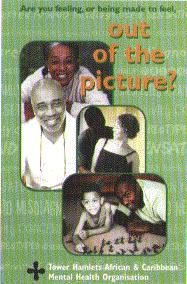
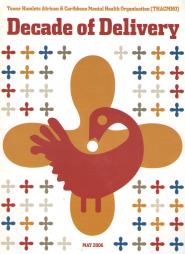
Tower Hamlets African and Caribbean
Mental Health
Organisation (THACMHO). Copies of
Power Writers and the
Struggle Against Slavery
were distributed and other THACMHO publications were displayed. Harry was
supported by Raymond Smith and Fabian Tompsett. A collection in aid of the
legacy group seeking to preserve THACMHOs archives and history raised
£75.55p.
Sam Shakes was present with her work. Books, artwork cards and mugs were
available to view and
buy. Sam told us that her experience of the Mental Health system led to her
work supporting community models of Mental Health care. This is expressed
in her art from 2008. The death of her friend Philip Morgan inspired her
her latest project which is a writers group for people who have
suffered loss, run at St Joseph's Hospice. Laurie Allen, a participant at
the St Joseph's Hospice project, spoke about the book "Good Grief" that the
group had produced and encouraged people to take inspiration from its
helpful content. Sam, in her turn, inspired her five year old niece to
write a story which has been published as a children's book.
Anne Plumb provided material from her
"Ear to the ground; Survivor Voices" collection.
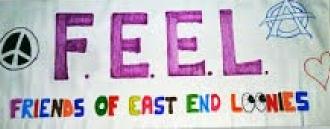
Friends of East End Loonies material provided leaflets and we had material
by and about the survivor poets David Kessel and Howard Mingham.
EURIKHA (Explorations of User Research: Impact, Knowledge and
Historical Approaches) has been "Mapping the history of research,
advocacy and activism by people with psychosocial disabilities,
mental health service users and survivors.", THROUGHOUT THE WORLD,
for about two years now. Members were present and briefly explained it, but
will do so in greater detail in a future newsletter.
3pm Refreshments, socialising and more opportunity to discuss
exhibition material.
2019
Proposed meetings for 2019 are a visit to Bishopsgate Institute, in
relation to creating a public archive of survivor material, and a topic
meeting in the autumn, continuing our series related to the history of
survivor networks, media and their archiving. This is a list of posible
meetings and topics being considered:
At some time: A visit to the
Bishopsgate Institute, opposite
Liverpool Station, in London, to see and discuss the archiving of the
collections currently stored by
Peter Campbell
and
Andrew Roberts
at their
homes.
Possibly Autumn 2019 The history and future of Black and
Minority Ethnic networks and media. Possibly open to comparison with other
groups,
if people wanted. Introduced by
Jayasree Kalathil who is conducting research on the history of
the Black and Minority Ethnic movement in the United Kingdom for
EURIKHA. Archive material to examine and discuss to include
SIMBA newsletters and
THACMHO publications.
At some time: The history of
Asylum magazine and the survivors movement from
CAPO (Campaign Against Psychiatric
Oppression) to the present. Introduced by
Anne Plumb and
Helen Spandler
At some time: The history of survivor/user led alternatives and
how they relate to
mainstream provision like the United Kingdom's National Health Services.
From People not Psychiatry (1969) and Judi Chamberlin's On Our Own:
Patient-Controlled Alternatives to the mental health system (1978) to
Peter Beresford's "participatory social policy" (2016) via
"Searching for a Rose Garden. Fostering Real Alternatives to Psychiatry" in
Berlin (2011). Introduced by Jasna Russo, Peter Beresford and Angela
Sweeney. For case studies and archives we could search The Advocate,
and Asylum.
A meeting outside London (Possibly Liverpool - Manchester - or Leeds)
has been suggested, preferably in connection with an archive and the
preservation of archives such as those held by
Terry Simpson (in
Leeds) and
Anne
Plumb (in Manchester).
Themes we are working on with websites rather than meetings)
Themes we are working on include the preservation of survivor culture
including the
work of Survivors
Poetry (since 1991 and its pre-history), currently unfunded and
maintained by volunteers, and
the work consolidated in
Ravaged Wonderful Earth - A Collection for
David Kessel, which was published in 2013 and is now almost
out of print.
We plan to continue working on our 2017 themes, including the
history of
NSUN - The National Survivor User Network
(discussed January 2017) -
Legacy: preserving our past (discussed March and May 2017) -
Welfare and survivor history (discussed March and September
2017) -
Roses: Alternative dreams and realities (discussed July 2017) -
Mental
Patients Unions and radical bookshops like
Centerprise (the subject of an event in May) - the
Scottish Union of Mental Patients and asylum roots (discussed in
November).
|